AGV in manufacturing – safer and smarter operations

AGV technology in modern manufacturing
AGVs are self‑guided vehicles built to transport materials autonomously across factory floors and warehouses. They move materials, components or finished products through manufacturing lines without manual driving. By optimizing intralogistics, AGVs help reduce labor costs, improve safety, and ensure a steady, predictable material flow.
Some common navigation methods for AGVs:
- Laser-guided navigation
- Natural navigation
- Magnetic tape navigation
- Magnetic spot navigation
- Camera/Optical line navigation
AGVs use different ways to navigate depending on the factory and the job. Fixed-path systems, such as magnetic tape or inductive wires, guide the vehicles along set routes at a low cost. Line-following methods, like optical tracking of painted lines, let teams change routes more easily.
Benefits of using AGVs in manufacturing operations
AGV solutions for the modern factory floor
Tailoring AGVs to unique manufacturing workflows
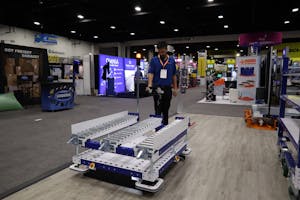
Modern, flexible AGVs can be configured for a wide range of production tasks, from line-side delivery and kitting to warehouse replenishment and finished goods transport. Modular top structures, such as pallet decks, roller conveyors, towing hitches, and shelving, let teams adapt each vehicle in their collection to specific materials and processes.
Seamless integration with existing systems
AGVs can easily connect to warehouse management, manufacturing execution, and ERP systems to receive tasks, share status, and report material movements. Through this integration, they become part of a coordinated flow, supporting just-in-time deliveries, automated order picking, and synchronized production schedules.
Picking the right AGV for your manufacturing needs
Assessing load and capacity requirements
Start by defining what the AGVs need to move: pallets, racks, bins, or custom fixtures, along with typical and peak load weights. Consider speed, acceleration, and runtime, so that vehicles can meet cycle times without overloading or frequent charging interruptions.
Evaluating factory layout and workflow
Examine aisle widths, intersections, and shared traffic areas to match AGV size and navigation type to your layout. Map current and future material flows so that routes support both existing production and planned changes, avoiding bottlenecks and congestion.
Reviewing control system options
Decide whether a centralized fleet manager, local controllers, or a combination best fits your operation and IT environment. Look for features such as traffic control, dynamic routing, battery and maintenance monitoring, and clear dashboards that make daily operation and troubleshooting easy to manage.
The future of AGVs in manufacturing
AGVs are only getting smarter with simple upgrades that make factories run better. AI, for example, can help them find the fastest routes and avoid traffic jams. In some modern factories, they already work alongside robots at the workstation, passing materials smoothly without human intervention. Fast networks like 5G can connect hundreds of AGVs across the whole factory, helping them communicate and adjust plans on the spot.
Picking AGVs that you can easily update keeps your factory ready for future challenges. This paves the way for better material flow, fewer accidents, and quicker responses to busy days or new products. Manufacturers who choose these adaptable systems save money and stay ahead as technology changes fast. Skip the costly rebuilds altogether and make simple, ongoing tweaks to fit your evolving demands.
Conclusion: smarter, safer manufacturing with AGVs
In short, AGVs transform factories into efficient, accident-free hubs by automating transport with precision and reliability. From cost savings to scalable flexibility, they deliver immediate gains and long-term advantages. Partner with FlexQube to build a tailored AGV fleet that keeps your material flow efficient and reliable.
Questions asked about AGVs in manufacturing
Up next

10 December 2025
Automated Guided Vehicle advantages: Benefits that reshape material handling
AGV systems keep materials moving without unnecessary stops or inconsistencies, using onboard sensors and guidance technologies such as line-following, cameras, or markers placed across the facility. Once set up, they transport materials automatically along pre-defined routes, following a line of tape, stop at programmed locations, and support the overall flow of production without the need for constant operator input.

5 January 2026
AGV navigation systems – a complete guide
In this guide, we’ll explore the main AGV navigation types used in industry today, from laser systems to optical navigation, and share insights into what to consider when choosing a system that fits your facility’s needs.